The Problem‑
First Method
I don't give players answers. I give them problems.
"Every great player I've worked with got great because they learned to solve problems on their own."
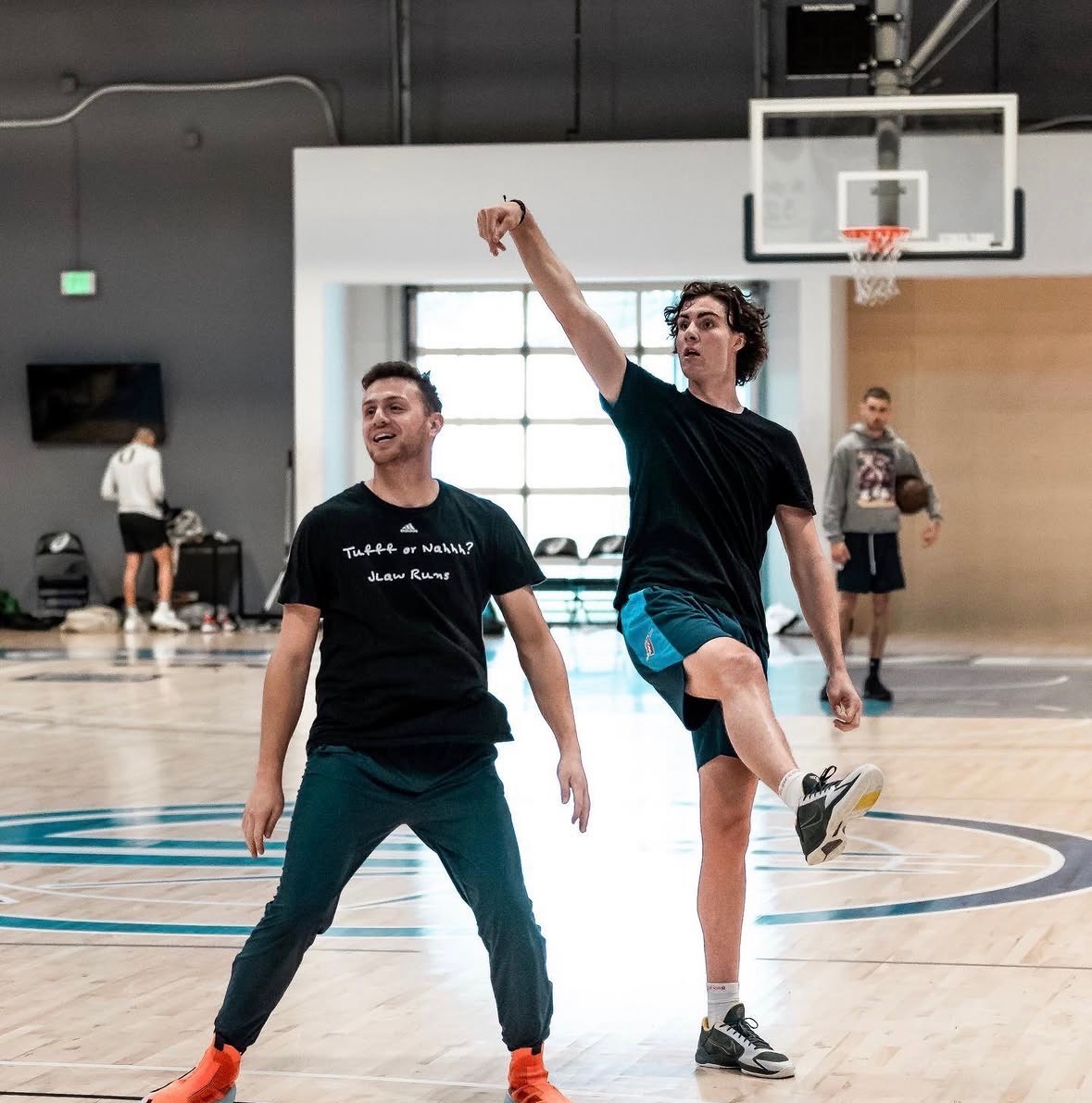
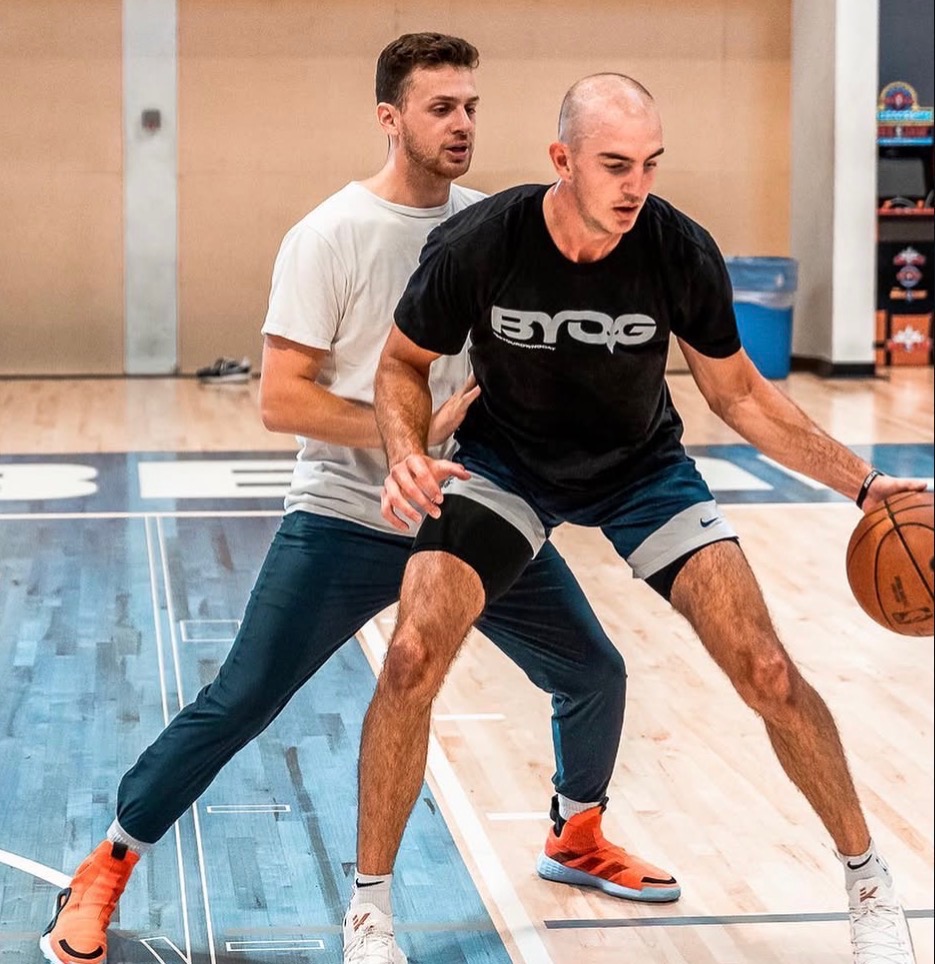
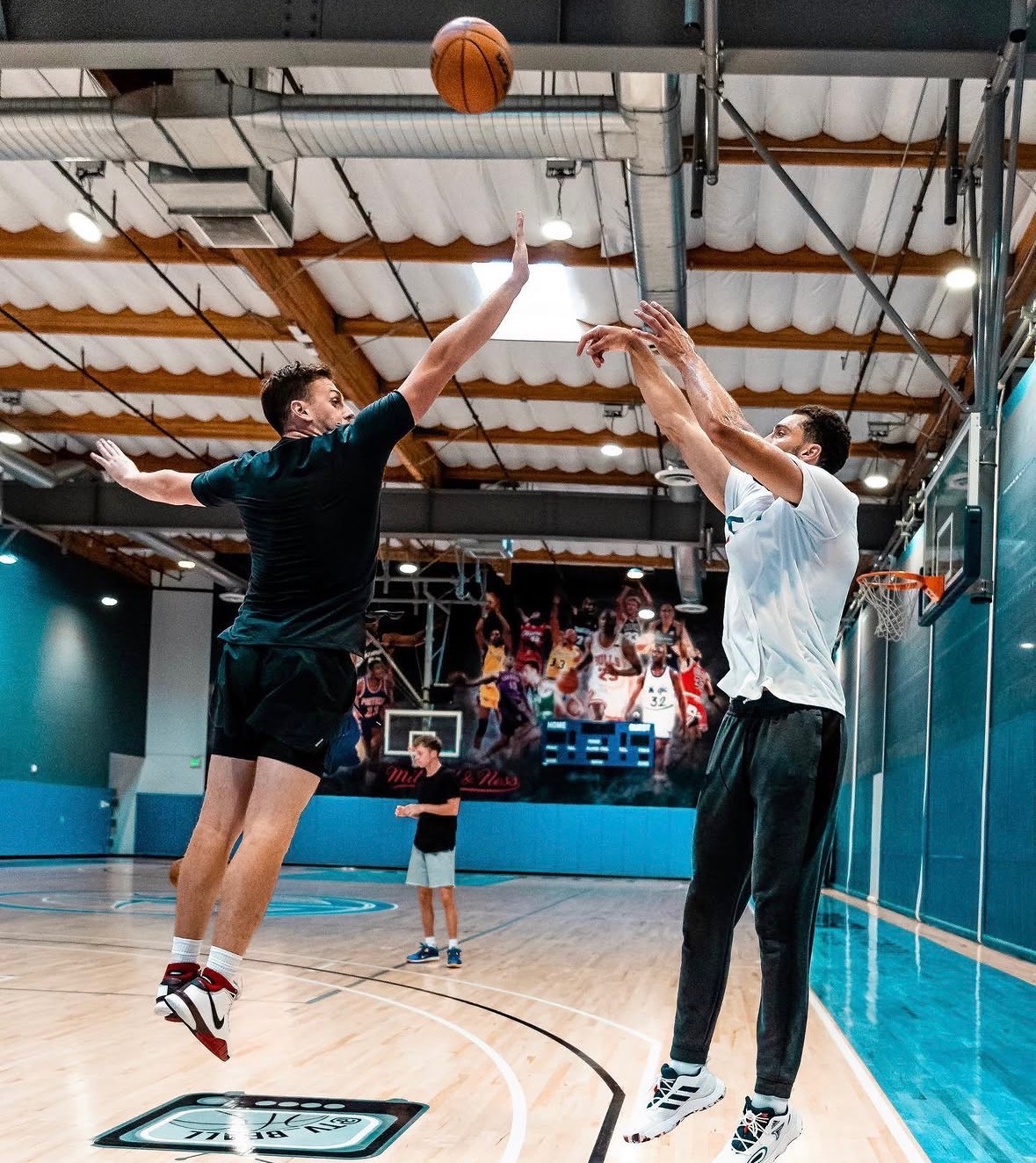
Josh Giddey. Alex Caruso. Zach LaVine. Dyson Daniels. None of them got there because a coach handed them a solution. They got there because somewhere along the way, they learned to figure it out. My job is to create the environment where that happens faster.
The Problem-First Method
A development approach built on one conviction: the same problem can be solved a hundred different ways. The best players find the solution that fits their body, their instincts, their game. Coaching that gives everyone the same answer creates robots. PFM creates players who think.
Before any action, I lay a foundation with as little direction as possible. If you over-coach the details, players tighten up and stop thinking. So instead, I give them a challenge that relates to the action before the action — and let them figure it out on their own. The skill has to show up under pressure. Not just in a vacuum. That's the difference between a rep and a real development moment.
Create the Problem
Identify the exact biomechanical or tactical threshold the player needs to develop. Isolate it. Build the micro-movement until it's automatic before the larger action begins.
Minimal Intervention
Give the constraint, not the solution. Small-sided games with specific rules that force the skill to emerge — no pump fakes, can't score in the paint, must pass before shooting. Players self-organize.
Live Application
Every micro rep connects directly to a live-game situation. The same problem, solved differently by every player. Both solutions can be right. The method honors that — and builds players who own their game.
Worked With
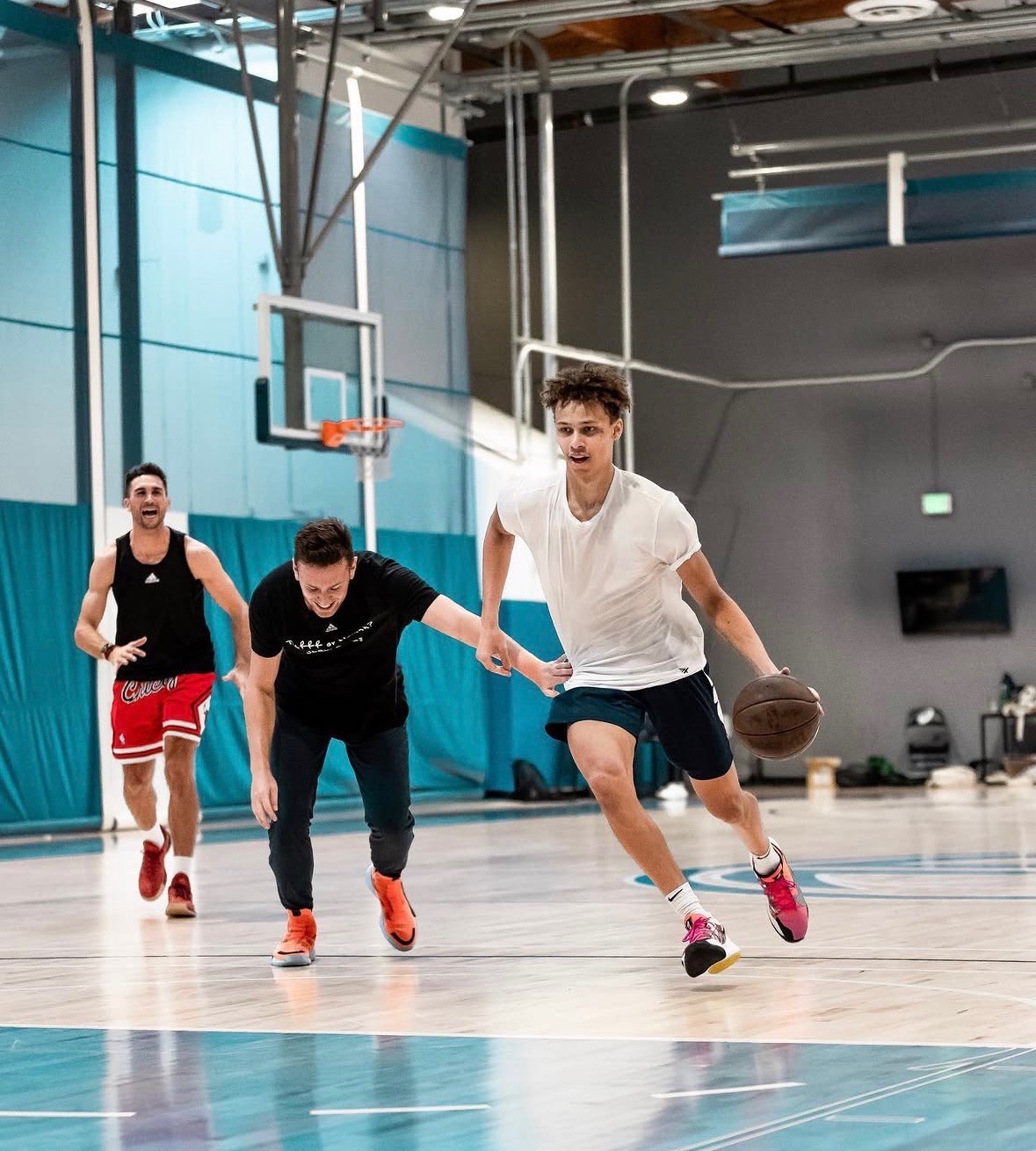
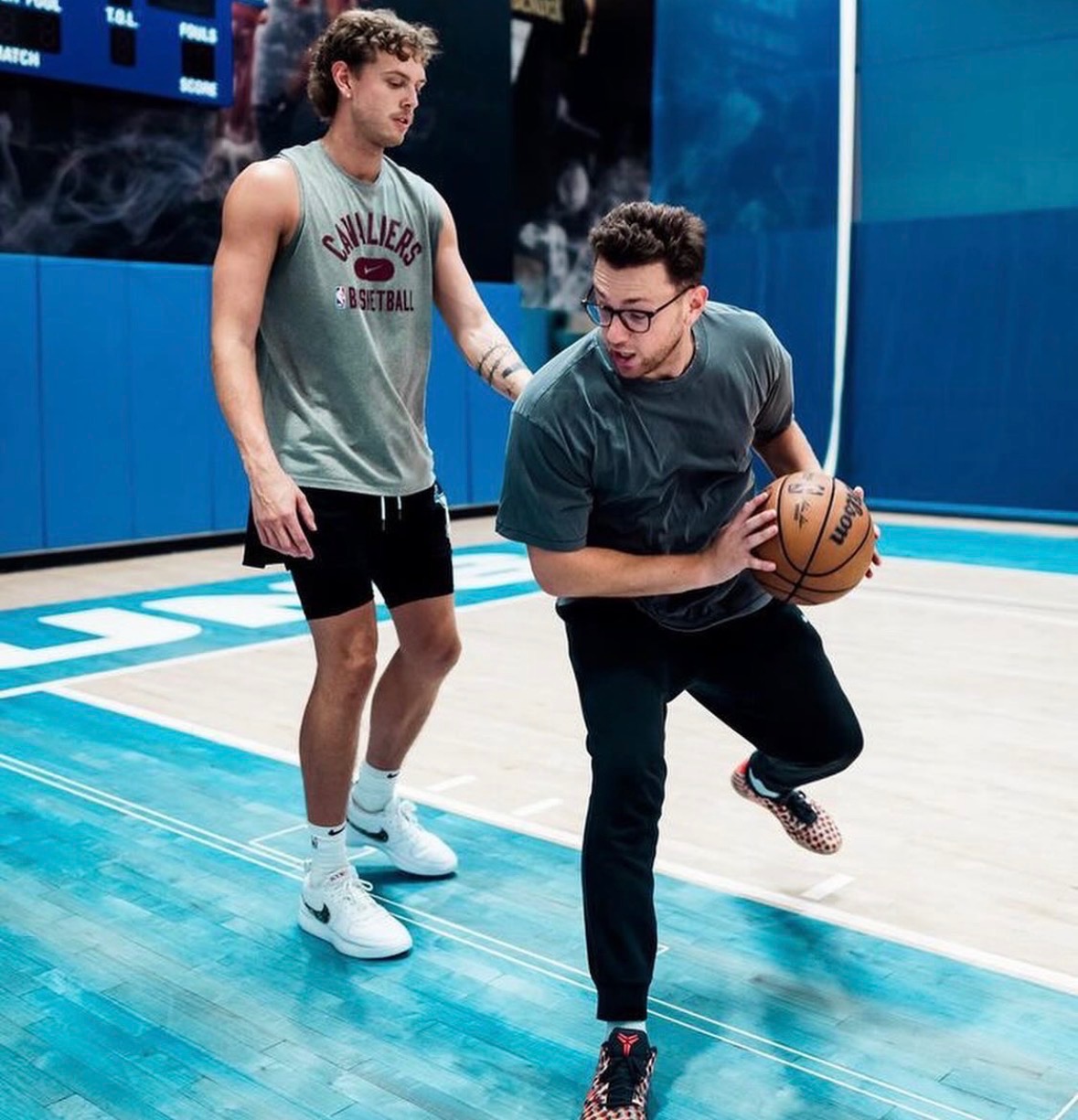
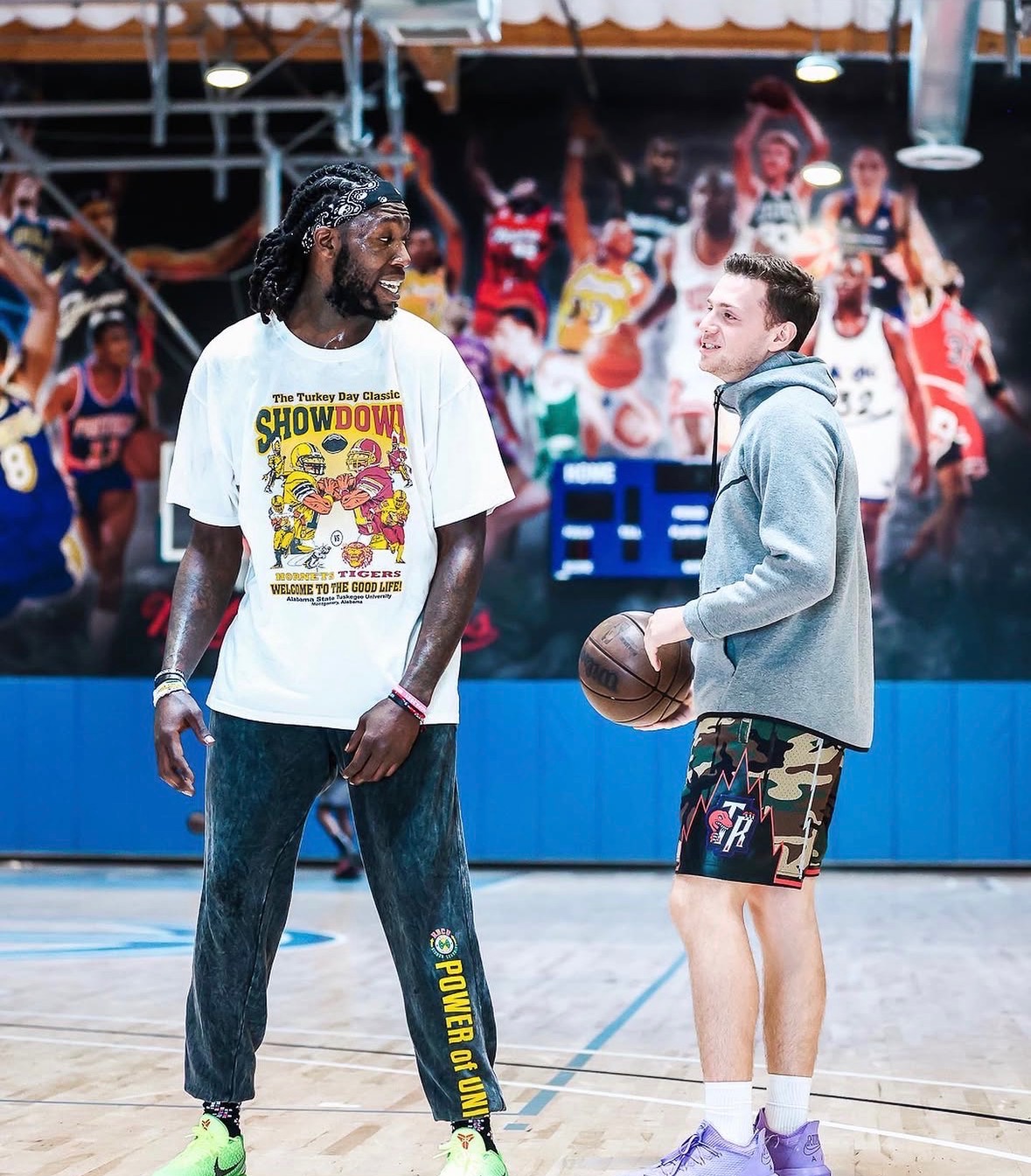
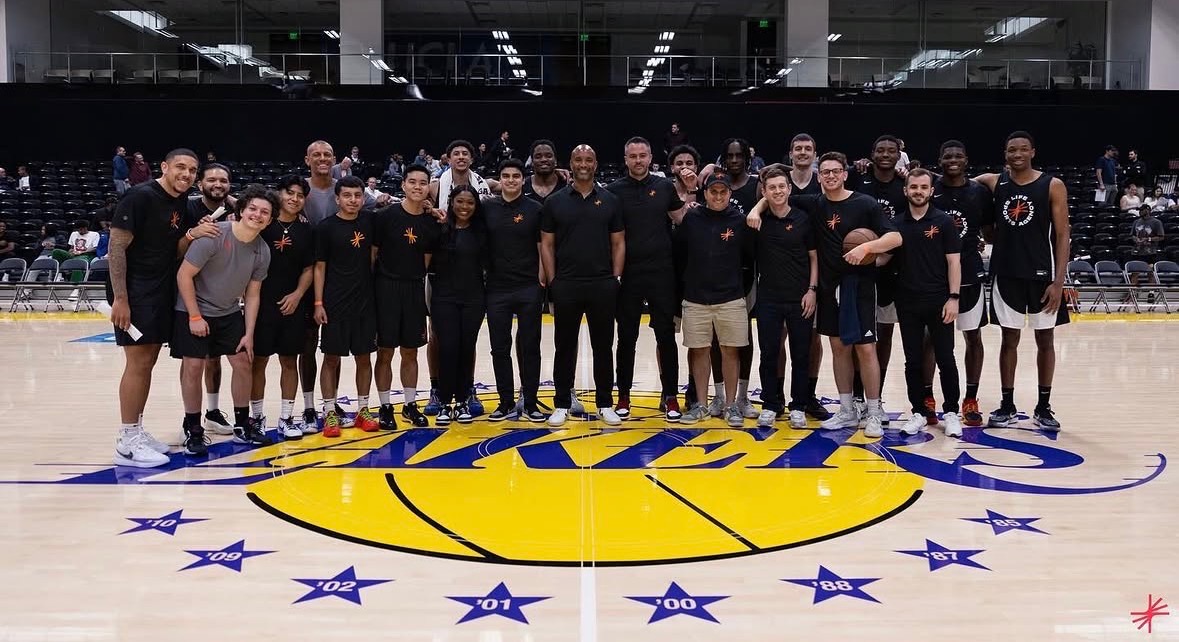
Life Sports Pre-Draft
Selected to run development for the Life Sports Agency Pre-Draft camp at the Lakers' facility — working directly with Ajay Mitchell, Cedric Coward, Nique Clifford and many more on the road to the NBA Draft.
The Philosophy
Precision Over Volume
I see so many reps that don't mean anything. Every rep I run has a purpose, a cue, and a competitive context. Players know why they're doing every drill — not just how. Repetition without intention builds bad habits, not better players.
Translate to the Game
I build drills backward from game situations. Film first. Find the exact moments a player needs a skill. Then build the session around those moments. Skill work that doesn't show up in games is worthless.
Problem Solvers, Not Players with Problems
I give my players a challenge that relates to the action before the action — and let them figure it out on their own. We want to create players that are problem solvers. The game is too fast and too unique for one-size-fits-all solutions.
The Compete Level Never Drops
Every session becomes competitive. 1-on-1, 2-on-2, 3-on-3 circuits with live defense. If the skill only shows up when there's no one guarding you, it doesn't really exist yet. Zero drop-off from the training floor to the game floor.
Position-Less Development
I train bigs on perimeter skills and guards on post footwork. The modern game doesn't care about your position label. Every player should be able to handle, pass, and shoot regardless of size. Positional versatility wins.
Film as Foundation
I study film before I design a single drill. Your opponents' tendencies. Your own tendencies. The moments where the skill you're building actually shows up in a game. That's how you make practice mean something.
Services
Private Sessions
One-on-one development built entirely around you — your game, your position, your specific problems to solve. Every session starts with a constraint and ends with a competitive rep.
Film Breakdown
Deep dive into your game film. I identify the exact moments where development translates — or doesn't. You leave with a clear picture of what to work on and why.
Group Training
Small-sided competitive sessions for groups of 2–6. Constrained games, live defense, real competition. The Problem-First Method applied across multiple players at once.
Team Development Plans
Comprehensive player development plans for college programs — built around actual team data, opponent tendencies, and individual player profiles. Delivered as a full coaching document.
Player Evaluation
Detailed scouting and development assessment for coaches, agencies, and families. I identify what a player does, what they need, and the specific path to get there.
The Content
Breaking down the details that separate good players from great ones. Every post is a film study, a drill breakdown, or a coaching concept most people walk right past.
Skills That Fly Under the Radar
The details most scouts miss. Carter Bryant's coachability. Kobe's wider pickups. The hand battle. The things that actually separate players at the next level.
Playing Out of the Handoff
Simple constraints — defense must go over, offense can't score in the paint — create real development moments. The communication between players becomes the coaching.
ATO & Set Breakdowns
After-timeout plays from Peristeri, Iraklis, and elite programs worldwide. Understanding why plays work goes deeper than just knowing what happens.
Jordan Zimmerman
I've worked with players at every level — NBA, G-League, college, and grassroots. Josh Giddey, Alex Caruso, Zach LaVine, Dyson Daniels, Luke Travers. What I've seen at that level shapes everything I do with every player I train.
The Problem-First Method isn't a marketing term. It's what I actually believe about how players get better. You can't hand someone a skill. You have to create the conditions where they find it themselves. That's what I do — at every level, with every player.
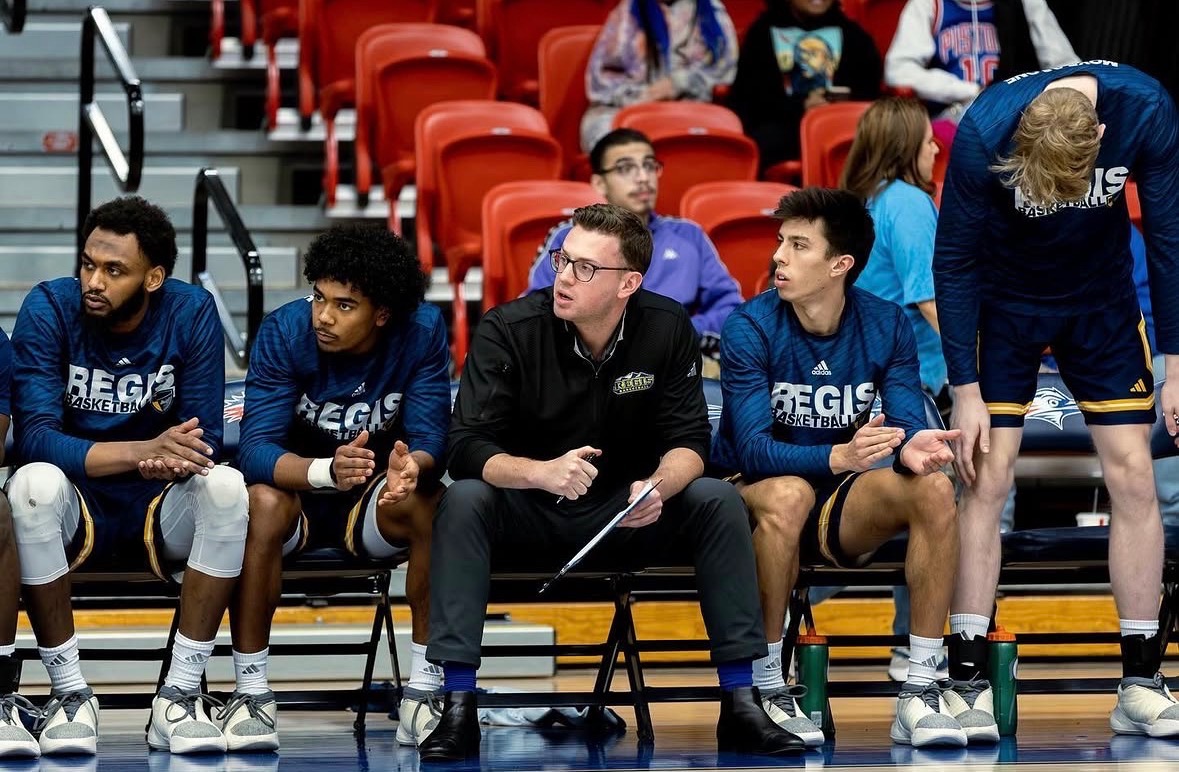
Background includes player development work with NBA athletes, assistant coaching at Regis University, assistant coach at Foothill High School in Tustin, California, and Player Development under JLAWBBALL. Now based in New York City.
Book a Session
Let's Build Your Game
Whether you're a player looking to elevate your game, a coach building a development program, or an agency evaluating talent — reach out and let's talk about what you're working toward.